
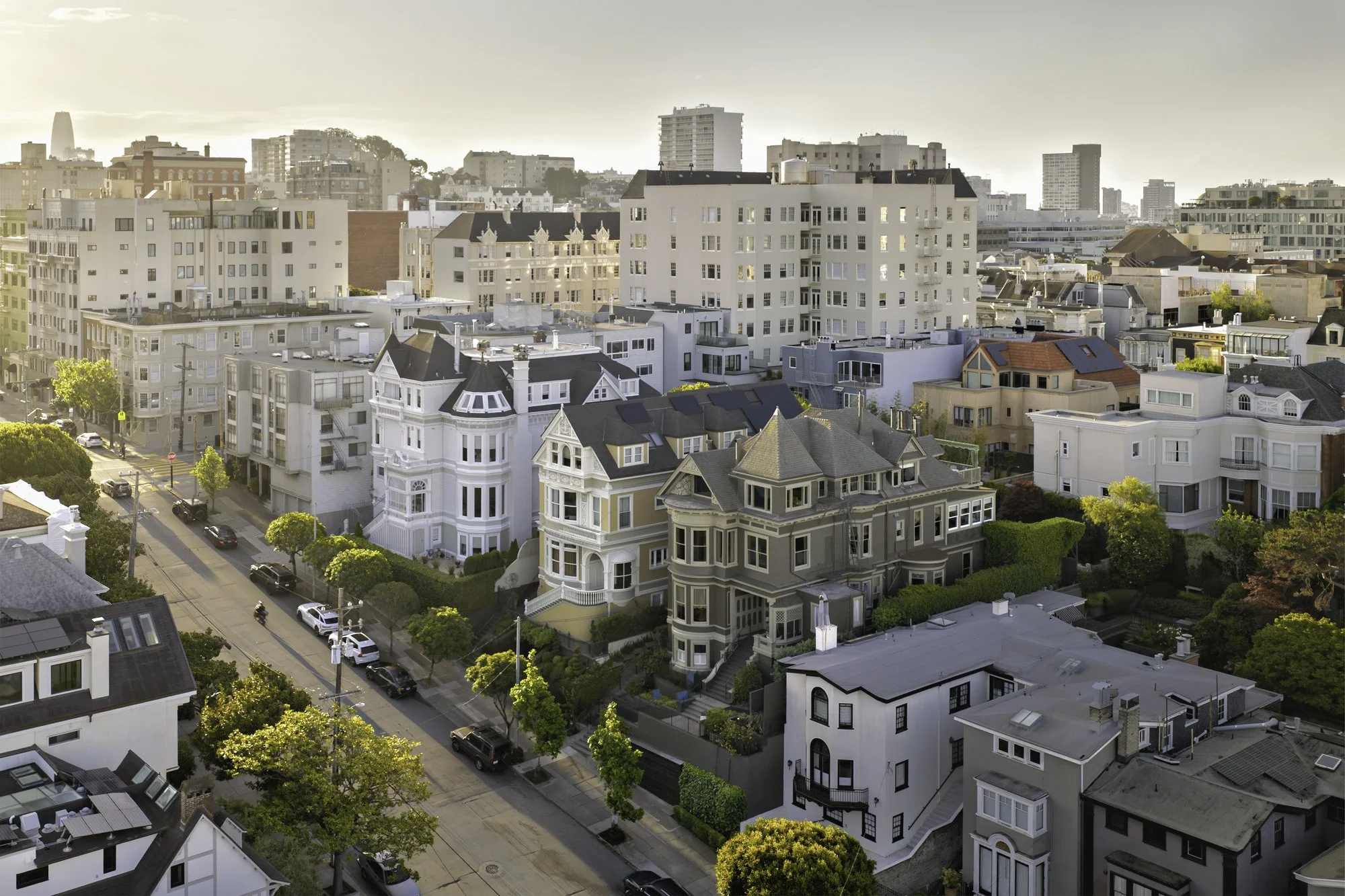
A Pacific Heights Legacy Reimagined
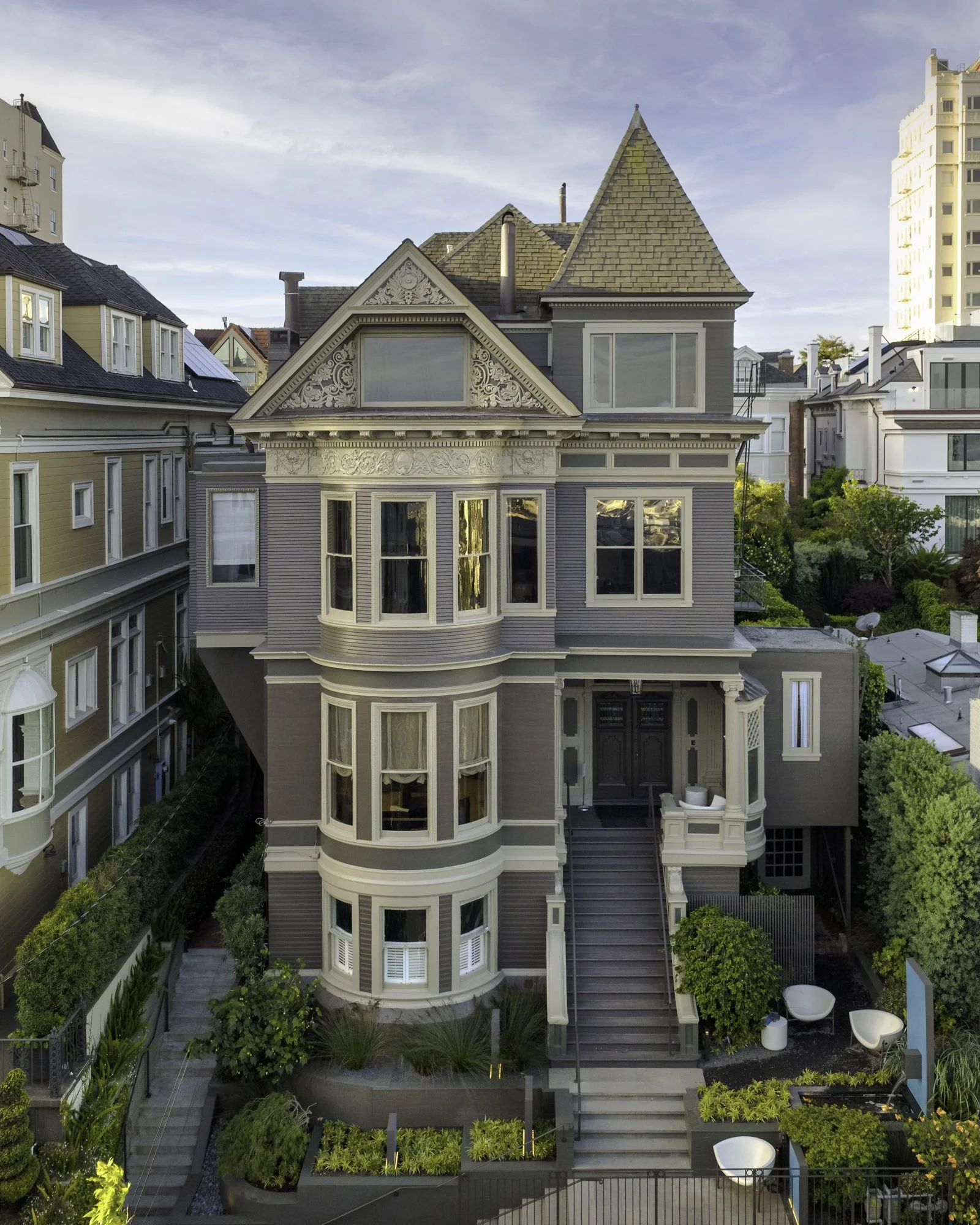
2026: A New Chapter
Broadway Manor has been selected as the 2026 San Francisco Decorator Showcase home—an honor reserved for residences with both architectural significance and enduring presence.
Over the past several months, the Bay Area’s leading designers have reimagined each room, layering contemporary vision onto a home rooted in 19th-century craftsmanship.
It marks the latest chapter in a story that began in 1896.
in the press








the story
Built for a Founding Family
The home was commissioned in 1896 by Philip Anspacher, a member of one of San Francisco’s early and well-established families. His father, Abram Anspacher, was a successful merchant and civic figure who served as president of Congregation Emanu-El in the late 19th century.
Set on a commanding Pacific Heights site, the residence reflected both the family’s stature and the optimism of a rapidly growing city at the turn of the century.
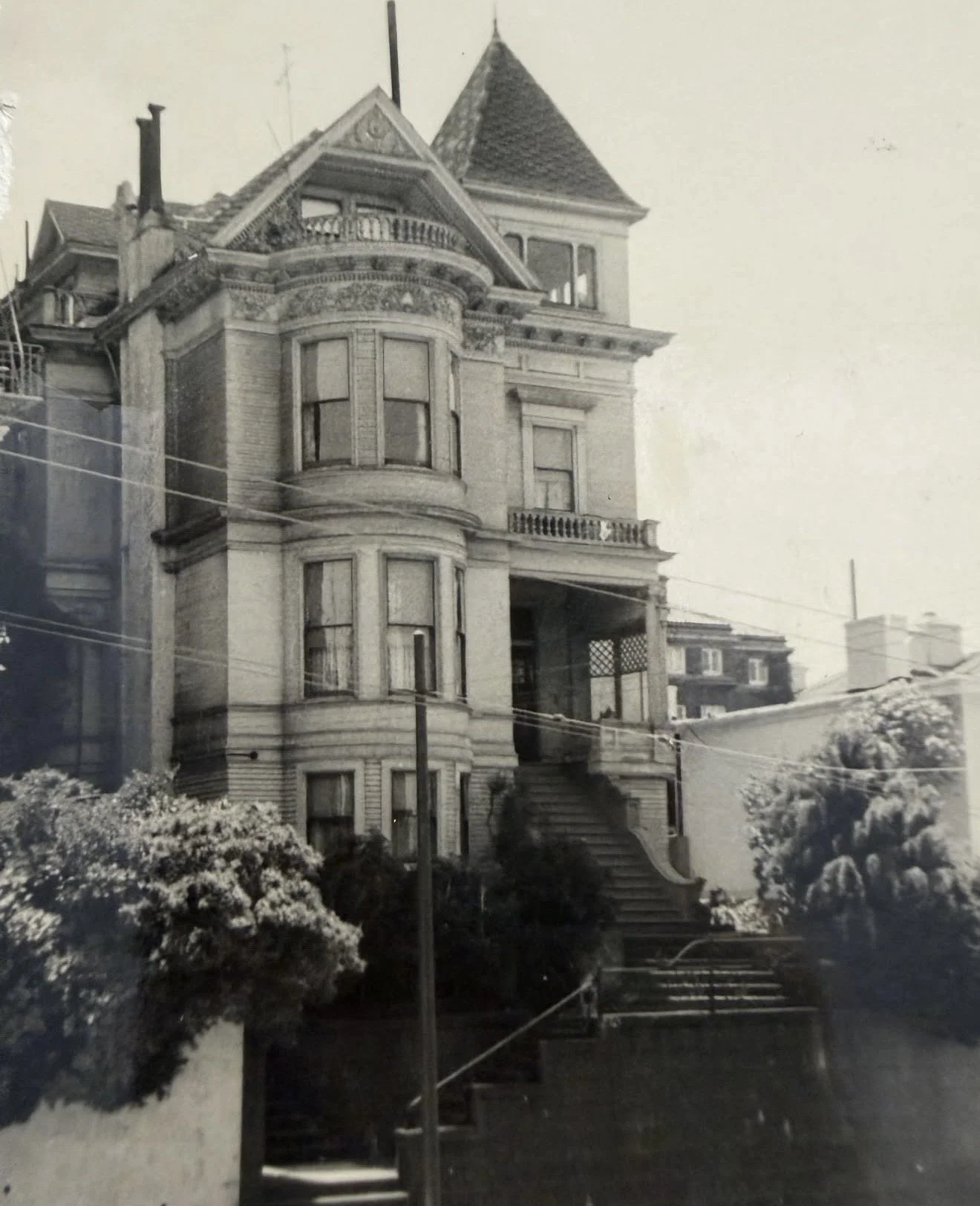
The Architect
To realize that vision, Anspacher turned to Moses J. Lyon, an accomplished architect who arrived in San Francisco from New York in 1889. Lyon quickly established a reputation for expressive, highly detailed work across residential and civic commissions.
His best-known project, the Bush Street Synagogue (1895), showcased a richly layered Byzantine and Moorish design vocabulary. That same attention to ornament and form is evident here at Broadway Manor, and in the neighboring residence at 2311 Broadway, also designed by Lyon.
Together, the two homes form a rare architectural pairing—sharing Queen Anne influences, asymmetry, stained glass, and intricate decorative detailing that still define the block today.
Like many architects of his era, much of Lyon’s archive was lost in the 1906 earthquake. What remains is the work itself.
A Century of Stewardship
The Anspacher family’s time in the home was relatively brief, but the residence continued to anchor the block as Pacific Heights evolved around it.
By the mid-20th century, the home—like many grand Victorians—had been divided into apartments, serving as a rooming house from roughly the 1920s through the 1960s.
In 1970, a new chapter began when architect Herbert McLaughlin acquired the property. A nationally recognized designer and early advocate for adaptive reuse, McLaughlin undertook a thoughtful and meticulous restoration, preserving the home’s historic character while adapting it for modern living.
His work here reflects a broader legacy that includes the restoration of significant Bay Area landmarks and a lifelong commitment to architectural preservation.
Some houses are altered over time. Others are carefully brought back to life. This is one of them.